




D&D Background Spotlight: The Sage
Knowledge, Obsession, and the Cost of Knowing Too Much

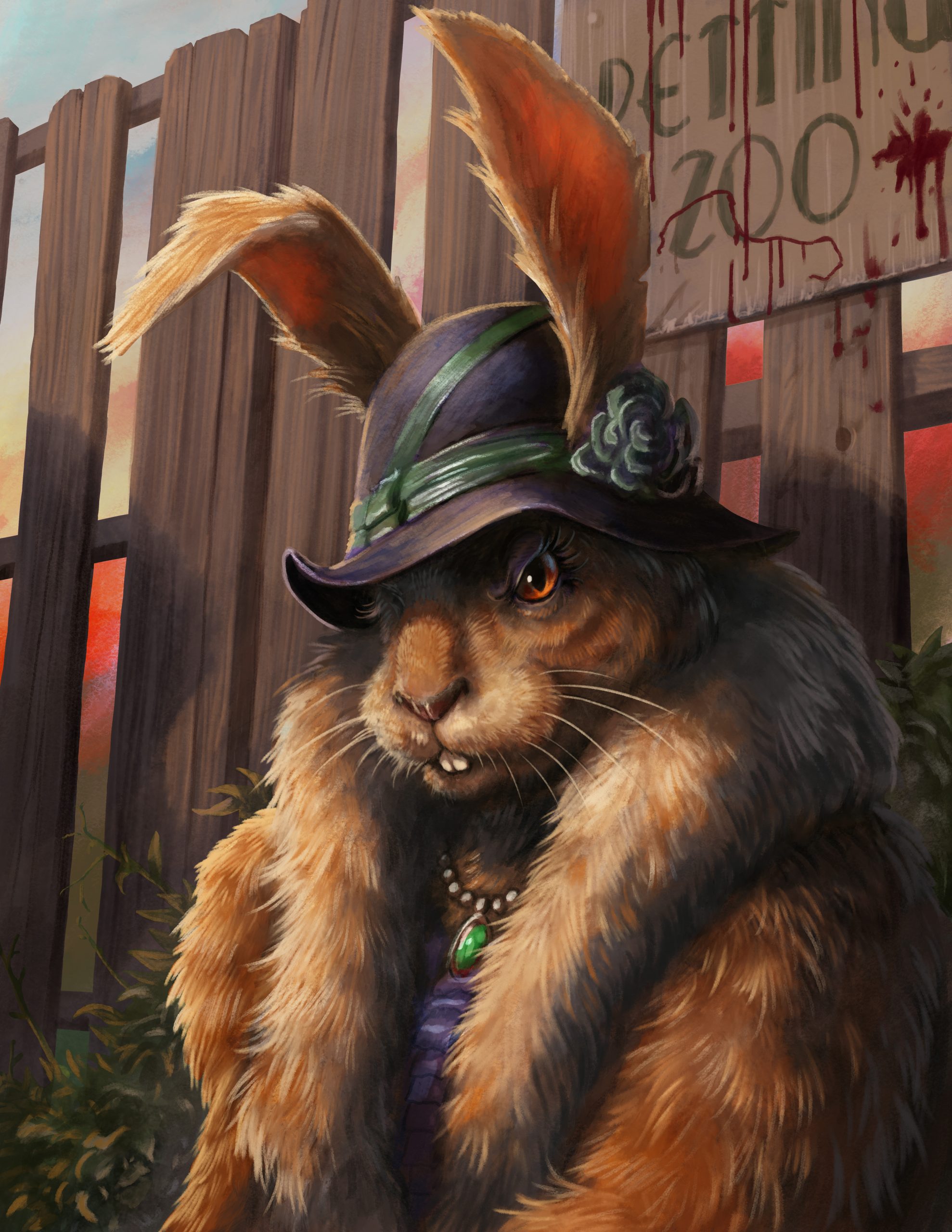
Make sure you return your books on time with this librarian.
The Sage background is about people who devoted their lives to understanding the world. Sages believe that answers exist—and that with enough study, patience, and sacrifice, those answers can be found. Unfortunately, knowledge is rarely neutral, and truth often comes with consequences.
For players, Sages explore curiosity, obsession, and intellectual pride. For GMs, they offer clean lore delivery, mysteries, and secrets that beg to be uncovered.
What Does It Mean to Be a Sage?
A Sage is someone who pursued learning beyond practicality. This could include:
-
A wizard’s apprentice buried in arcane theory
-
A historian obsessed with lost civilizations
-
A researcher of forbidden or dangerous knowledge
-
A philosopher chasing universal truths
-
A chronicler whose notes reveal more than intended
Sages don’t just know things—they need to know them.
Key Questions for Sage Characters
To deepen the character, ask:
-
What question drives my studies?
-
What knowledge do I regret uncovering?
-
Who tried to stop me—and why?
-
What truth would I risk everything to learn?
These answers help turn research into plot.
Roleplaying a Sage at the Table
Sages shine in investigation and discovery. They may:
-
Ask too many questions
-
Obsess over details others ignore
-
Struggle to act without sufficient information
-
Value truth over comfort
Some Sages are humble scholars. Others are dangerously convinced they’re right.
Sage Roleplaying Strengths & Weaknesses

Optional d8 Tables
Roll once on each table or choose what best fits your intellectual path.
Roleplaying Strengths (d8)
| d8 | Strength |
|---|---|
| 1 | Vast academic knowledge |
| 2 | Analytical and methodical thinking |
| 3 | Pattern recognition |
| 4 | Calm, reasoned judgment |
| 5 | Research and archival expertise |
| 6 | Intellectual curiosity |
| 7 | Trusted as an authority |
| 8 | Willingness to question assumptions |
Roleplaying Weaknesses (d8)
| d8 | Weakness |
|---|---|
| 1 | Analysis paralysis |
| 2 | Social awkwardness |
| 3 | Obsession with a single theory |
| 4 | Disregard for emotional consequences |
| 5 | Arrogance masked as certainty |
| 6 | Difficulty accepting uncertainty |
| 7 | Haunted by forbidden knowledge |
| 8 | Slow to act without proof |
These weaknesses create tension between knowing and doing.
Story Arcs for Sage Characters
Sages naturally drive mystery-focused plots.
1. The Missing Volume
A crucial text vanishes—or was never meant to be found.
GM Twist: Someone altered it deliberately.
2. The Theory Proven Wrong
A cornerstone belief collapses under new evidence.
GM Twist: The Sage helped spread the error.
3. Knowledge Is Dangerous
The Sage’s research attracts unwanted attention.
GM Twist: They were right—and someone wants it silenced.
4. The Question Answered
The Sage finally uncovers the truth they’ve sought.
GM Twist: Knowing it changes nothing—or everything.
5. Burn the Books
A power seeks to erase knowledge entirely.
GM Twist: The Sage must choose what survives.
Using Sages as a GM

Sages are ideal for:
-
Delivering lore without exposition dumps
-
Framing dungeons as research opportunities
-
Turning clues into character moments
-
Making knowledge itself a reward
They give you permission to make answers as dangerous as monsters.
Final Thoughts
The Sage background is about curiosity pushed to its limits. It asks a deceptively simple question:
Just because you can know something… should you?
Handled well, Sages turn campaigns into investigations, revelations, and moral dilemmas that linger long after the dice stop rolling.
Thanks for reading. Until Next Time, Stay Nerdy!!


No Comments